
Scaling & Root Planing in Cocoa Beach
Restoring Your Gum Health

Are you noticing early signs of gum disease, like swelling, tenderness, and bleeding? These are all signs that you need to schedule an examination as soon as possible with Dr. Lineberry. When left untreated, this condition can cause permanent damage to your smile, which is why our dental team always attempts to treat it as soon as possible with periodontal therapy. One of the ways that we’re able to reverse the symptoms of gum disease is with scaling and root planing in our Cocoa Beach dental office, which is a two-part process to help minimize the presence of harmful oral bacteria.
Why Choose Lineberry Dental of Cocoa Beach for Scaling & Root Planing?
- Dentist Who Enjoys Getting to Know Patients
- Up to Date with Latest Dental Technology
- Sedation Available for Anxious Patients
Why is Scaling & Root Planing Necessary?
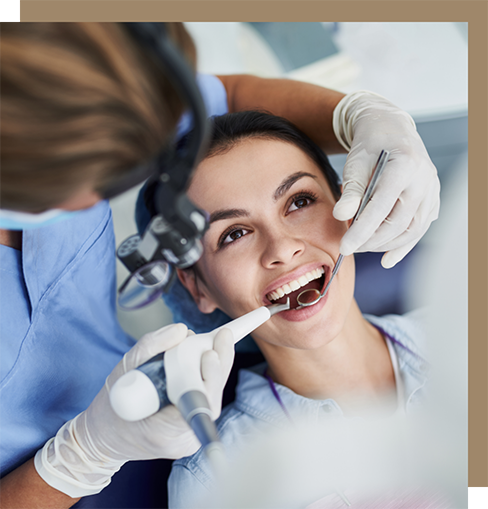
Gum disease is caused by the build-up of harmful oral bacteria in your mouth, which is a result of excessive plaque, tartar, and food debris accumulation. As these bacteria overrun your mouth, they feed off of sugars and carbohydrates found in plaque and release waste in the form of toxins that cause gum inflammation and infection.
In its earliest stages, this condition is treatable and even reversible. However, if it’s left to progress, it can cause permanent damage to your smile, such as tooth loss and gum recession. Scaling and root planing can help reverse the symptoms of gingivitis (the earliest stage of gum disease) and restore the health of your smile by controlling bacteria levels in your mouth.
The Process of Scaling & Root Planing
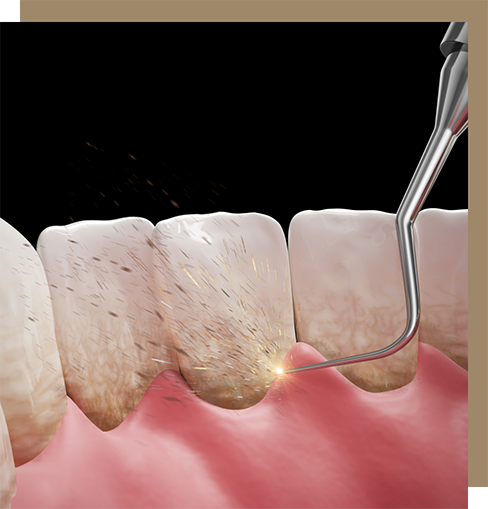
The scaling and root planing process involves two steps. First, Dr. Lineberry will use a dental scaler to remove all plaque and tartar accumulation from your teeth. This will help your immune system fight off lingering harmful oral bacteria. Next, he will smooth out the roots of your teeth, which will allow your gums to reattach and protect them.
Recovering from the Scaling & Root Planing Treatment
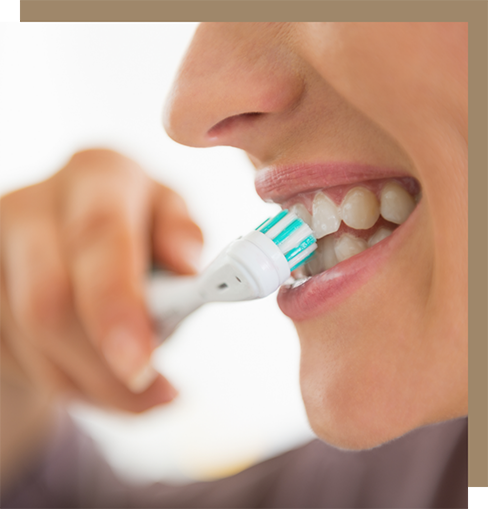
After the procedure is complete, you can expect to undergo a period of time where your gums feel slightly uncomfortable and tender. Typically, this doesn’t last for more than a couple of weeks and is completely normal. Here are some tips to help you feel more comfortable throughout your recovery:
- Gently brush your teeth as your gums heal.
- Use wax-coated floss twice a day to clean between your teeth.
- Soothe your gums by rinsing with a warm saltwater solution.
- Limit snacking to help control bacteria accumulation.
- Go to your follow-up appointment if you have one scheduled.
If you’re experiencing bleeding gums, swelling, gum recession, or tenderness, contact our dental office immediately to schedule a consultation. We’ll examine your mouth and let you know whether you have the early stages of gum disease and how we can help.