
Emergency Dentist in Cocoa Beach
Providing Quality Urgent Care When You Need It
Dental emergencies can take place in an instant, leaving people of all ages frightened and in pain. Unfortunately, a hospital emergency room may not always be the best place to go when you need urgent dental care.
We know that prompt treatment is the best way to alleviate discomfort and give your teeth the best chances of survival – that’s why Dr. Lineberry, your emergency dentist in Cocoa Beach, welcomes urgent cases as soon as possible. If you or a family member is experiencing an emergency situation, contact our dental office right away for emergency dentistry. When it comes to providing quality urgent dental care when you need it most, you can count on Lineberry Dental of Cocoa Beach.
Why Choose Lineberry Dental of Cocoa Beach for Emergency Dental Care?
- Same-Day Emergency Appointments Available
- One-Stop Shop for A Wide Variety of Dental Treatments
- Friendly Dental Team Focused on Your Comfort
I Want to Enhance My Smile I Want a Straighter Smile I am Missing One or More Teeth I Have a Cavity or Broken Tooth I Need a Checkup & Cleaning I am Worried About Gum Disease I Have Jaw Pain & Headaches I am Scared of the Dentist View Our Services
What to Do in a Dental Emergency
- Step 1: Call us as soon as you can. The sooner you call us, the sooner we can schedule you for a same-day emergency appointment. Over the phone, one of our team members will walk you through what to do to manage your situation until you can reach us.
- Step 2: See Dr. Lineberry for an exam. When you arrive, your Cocoa Beach emergency dentist, Dr. Lineberry, will work quickly to evaluate your condition and alleviate any pain you’re experiencing. Then, he’ll fully explain which service(s) he recommends and create a custom treatment plan with you.
- Step 3: Get the urgent dental care you need. Once you’ve agreed to a treatment plan, our experienced team will jump into action. Whether you need a filling, dental crown, root canal, tooth extraction, or something else entirely, your comfort will always be our top priority as we get your oral health back on track.
The Most Common Dental Emergencies
Unsure if your situation qualifies as an emergency? Give us a call anyway. Many circumstances that require urgent dental care, and not all of them are easy to identify. If you’re in pain, your tooth has been damaged, or if you’re experiencing any worrisome symptoms in your smile, we encourage you to contact us right away. We’ll help assess your concerns over the phone and schedule an appointment accordingly, whether that’s for the same day or in a few days. Below, you’ll find some of the most common dental emergencies we treat.
Understanding the Cost of Treating Dental Emergencies
The cost of your dental emergency visit will depend on a few key factors. This includes what the issue is and what treatment option is necessary to provide you with lasting relief. We’d be happy to walk you through your options so you can make the best decision possible for your smile, and our team is more than happy to assist with financial questions. Until your visit, here are some things that you should take into consideration.
Every Dental Emergency is Different
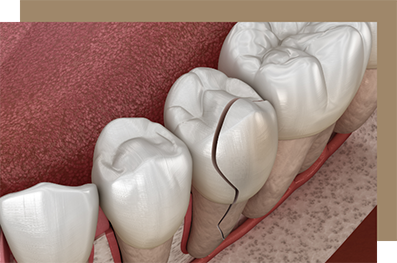
When determining the cost of your dental emergency, we must first determine which type of injury has occurred and the best way to approach it. Generally, if you only require antibiotics or another prescribed medication, the cost of your treatment will be lower. However, if you need a more complex treatment, like a root canal, you will be looking at a higher cost. Until you see us, there is no way of knowing how much you will pay to restore your smile to health.
Does Dental Insurance Cover Dental Emergencies?
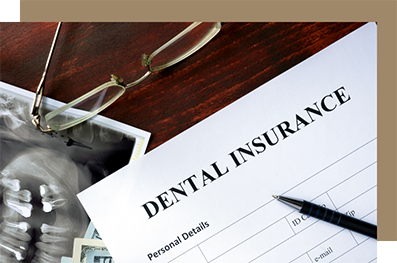
Most of the time, dental insurance providers agree to cover emergency dental services. How much they cover is based on the type of restorative treatment you need. Some companies will pay at least 50% of the cost, but you need to contact your insurer to find out the specific details of your plan. Give us a call with your policy information to find out if we are in-network with your provider. We are happy to be able to file claims for all dental insurance.
Other Options for Making Dental Emergencies Affordable

If you don’t have dental insurance, this doesn’t necessarily mean that you will be left completely on your own. We work with CareCredit, a third-party financing company that can split the cost of your treatment into manageable monthly installments with little to no interest. Talk to one of our friendly team members to learn more about your options.
Taking Care of Your Smile Can Save You Money

Not all dental emergencies can be prevented, but when you implement an excellent oral hygiene routine and eliminate bad habits, like crunching on ice and smoking, you can reduce your probability of experiencing one. You should also keep an eye out for changes in your mouth. Even something minor, like a toothache, can become a much larger issue without treatment. It is possible that smaller dental emergencies can be resolved with less costly solutions if treated right away. Ultimately, by receiving regular preventive care and addressing changes in your mouth immediately, you can save hundreds or even thousands of dollars.
Keys to Preventing Dental Emergencies
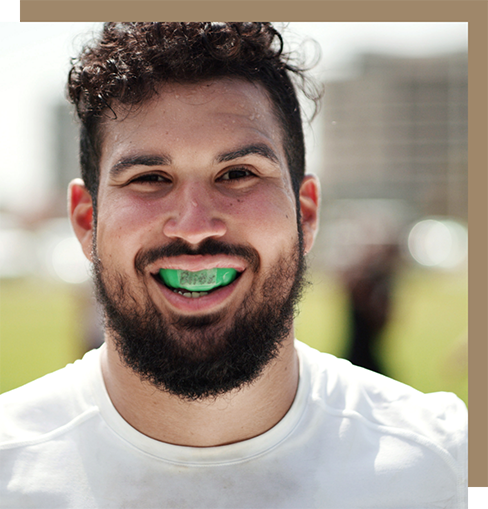
While not every dental emergency in Cocoa Beach can be avoided, you can take some precautions to minimize your risk. In fact, even little changes and additions to your daily routine can go a long way in protecting your teeth from fractures, cracks, and other serious damage. To learn all about how you can reduce your chances of sustaining a sudden dental injury, keep reading!
Visit Your Dentist Regularly

Simply put, visiting Dr. Lineberry for biannual checkups and cleanings can go a long way in preventing cavities and infections that turn into painful emergencies. At each visit, our team will thoroughly examine your teeth and gums, screening for decay, infection, and oral cancer in the process. During the cleaning portion of your appointment, we will use our special tools to remove built-up plaque and clean the areas of your mouth that may be hard to reach.
Maintain Good Oral Hygiene at Home

A rock-solid at-home oral hygiene routine is essential. This starts with brushing at least twice a day (for a full two minutes each time) and flossing each morning or evening. It’s also a good idea to incorporate other best practices, like rinsing with mouthwash for 30-60 seconds each evening. This added step will help prevent oral health concerns from developing before turning into a serious (and potentially painful) condition.
Stick to a Nutritious Diet

While foods and beverages that are high in sugar certainly taste good, they aren’t the best when it comes to maintaining healthy teeth. Don’t worry – you don’t have to eliminate ice cream, soda, and the like from your diet entirely. Instead, focus on adding more nutrient-dense foods to your diet, like fresh fruits and vegetables. These are packed with nutrients that will help keep your oral health in pristine condition.
Wear a Mouthguard

Naturally, it also helps to be gentle with your teeth. If you play sports (even non-contact ones), ask us about making a custom mouthguard to protect your pearly whites from damage. We can also provide you with this custom-made appliance if you chronically grind your teeth at night!
Use Tools to Open Packages, Not Your Teeth

Out of sheer convenience, you may use your teeth to open a bottle, package, or bag every once in a while. Don’t! This can result in both small chips and large fractures, depending on the item. You should also avoid chewing on hard items like ice, pens, and even your fingernails.
Dental Emergency FAQs
Should I visit an ER or my emergency dentist?
In the heat of a dental emergency situation, it can be difficult to make the decision of whether or not you should visit your local ER or emergency dentist. The best way to decide which facilities can best treat your unique emergency is to assess your situation and determine whether the symptoms you’re experiencing could be potentially life-threatening. If you have a broken or fractured jawbone, a deep facial laceration, or are having difficulty breathing or swallowing, you’ll need to receive immediate medical attention from an ER. Otherwise, it’s a good idea to contact our office beforehand so we can advise you on what first-aid measures to take and treat your issue as soon as possible.
Will my toothache go away by itself?
As much as you’d like to wish that your toothache would disappear on its own, the likelihood of that happening is very slim, and if it does happen, it’s usually a sign of concern. Oftentimes, toothaches are caused by infections that are hidden deep beneath the surface of your tooth. When they’re left untreated, they can spread to other areas of your mouth and even your body, causing additional damage and medical conditions that may require intensive treatment. That’s why we recommend visiting an emergency dentist as soon as possible if you experience any oral pain.
Will my dental insurance cover my emergency visit?
Every dental insurance plan is different, which is why it’s always a good idea to contact your provider before assuming that a treatment will be covered by your benefits. If you have any questions, our team will be more than happy to help you find the answer. Plus, our dental office near Merritt Island accepts various payment forms.
Do I need a root canal?
Many patients are worried about visiting an emergency dentist because they’re scared of the possible diagnosis. One treatment in particular strikes fear into many of our patients—root canal therapy. Although it has a scary reputation, root canals help many of our patients who come to us in severe pain with throbbing toothaches. Not only does the treatment take away their toothache, but it also helps preserve their natural tooth and prevents the infection from spreading to other surrounding teeth.
Some common signs that indicate the need for root canal therapy include:
- Excessive oral sensitivity to hot and cold temperatures
- Serious toothache pain
- The formation of an abscess (pimple) on the gum tissue
- Swelling and/or tenderness around a certain tooth
Of course, it’s important to remember that sometimes, no visible symptoms manifest. That’s why attending regular dental checkups here in Cocoa Beach is so important for your ongoing oral health and well-being!
What happens during a root canal procedure?
After appropriately numbing the tooth, Dr. Lineberry will carefully create an opening on top of the tooth and remove diseased pulp, nerve tissue, and bacteria from within with the help of special instruments. Once the tooth has been completely cleaned, it will be filled with a safe, biocompatible material and sealed shut to reduce the risk of further infection. Additionally, we strongly recommend the placement of a new, custom dental crown on top of the treated tooth. This will protect the dental structure from breakage and restore its full strength and function. Patients may experience some strong sensitivity immediately after the procedure, but this should subside over time once the tooth has a chance to fully heal.
Do my wisdom teeth need to be removed?
If any of the following situations are already taking place or seem likely to our Cocoa Beach staff, extraction is a very real possibility:
- The second molars are adversely affected by the wisdom teeth, resulting in higher risks of periodontal disease and decay.
- Cysts and tumors are forming around impacted wisdom teeth.
- Bacteria and food are becoming trapped under the gum tissue at a higher rate because of wisdom teeth.
Our team will use digital and panoramic X-rays in order to evaluate the current positioning of your wisdom teeth and pinpoint potential risk factors. Early evaluations are strongly recommended for younger, pre-teenage patients so that we can effectively catch and circumvent these concerns right away.
How do you remove wisdom teeth?
We handle the procedure as comfortably as possible, utilizing local anesthetic and sedation dentistry techniques as needed to help our patients remain at ease. Patients will not be required to stay overnight and will be provided with all the post-operative instructions they need, as well as a prescription for pain medication upon request.