
Dental Bridges in Cocoa Beach
A Solution for the Space in Your Smile
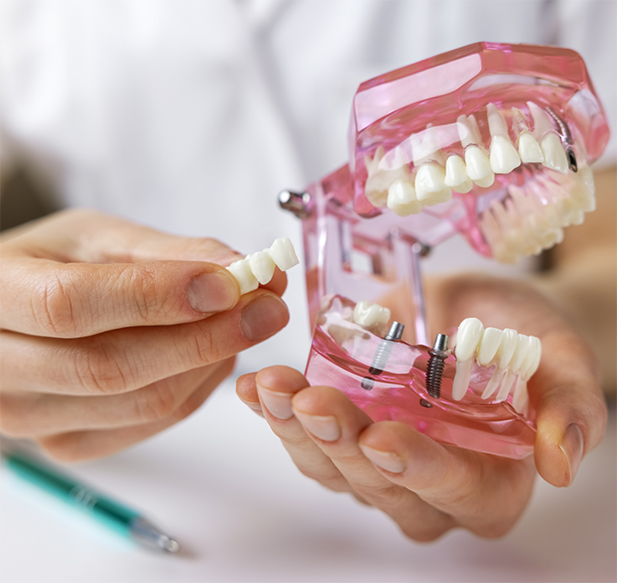
It doesn’t matter if the gap in your smile is a result of multiple missing teeth or just one; it can still hurt your confidence in your appearance and make chewing more difficult. Dr. Lineberry has experience replacing teeth in a variety of ways, and in many cases, he might decide that a dental bridge is right for the job. This type of prosthetic provides a lifelike appearance and helps to restore the balance of your bite. Tired of living with your incomplete grin? Call today to learn more about dental bridges in Cocoa Beach.
Why Choose Lineberry Dental of Cocoa Beach for Dental Bridges?
- Restorations Made Out of Beautiful, Lifelike Materials
- Dental Implants Placed In-Office for Implant Bridges
- The Latest Dental Technology Is Always Used
What is a Dental Bridge?
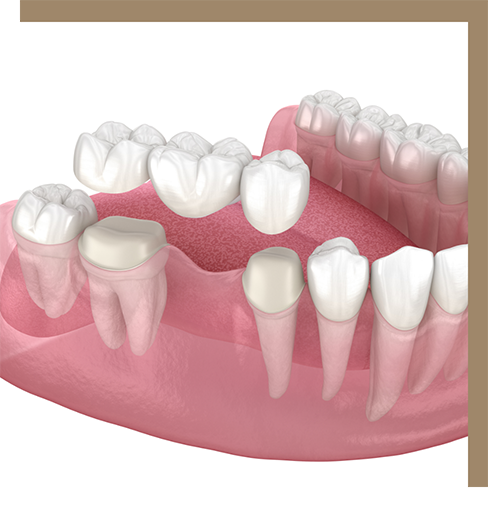
You’re likely familiar with the idea of a dental bridge already; dentists have been using them to replace teeth for a very long time. Each bridge has two main components: the dental crowns and the pontics. The crowns are what keep the bridge attached to either your natural teeth or dental implant posts. The pontics, meanwhile, are the free-standing teeth that fill in the space between the crowns. Modern dental bridges can blend in seamlessly with your natural smile thanks to the durable tooth-colored materials they’re made of.
Types of Dental Bridges
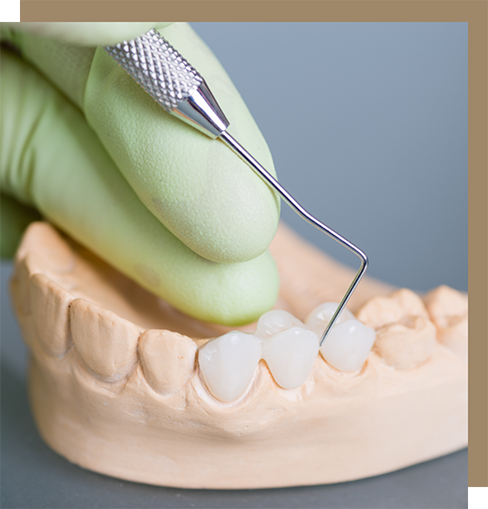
Traditional bridges and implant bridges are both available here at Lineberry Dental of Cocoa Beach. Different patients will benefit from different types of bridges. Dr. Lineberry will need to look at your mouth, go over your medical history, and ask about any goals you might have before helping you make a decision.
Traditional Dental Bridge
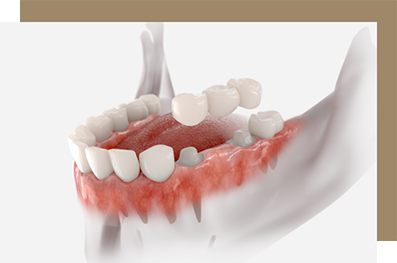
Traditional bridges are supported by abutment teeth, which are the teeth immediately next to the gap left by a missing tooth. The abutment teeth will need to be adjusted slightly before they can be used to support a bridge. Once the bridge is in place, it will actively help prevent your remaining teeth from drifting out of their correct alignment.
Implant Bridge
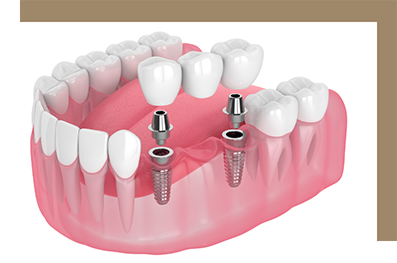
It may be possible to replace multiple missing teeth with a bridge attached to two dental implant posts that have bonded with your jawbone. Since dental implants act like tooth roots, they can stop the bone around them from breaking down; they will also provide additional chewing power and help your new teeth feel more natural.
The Benefits of Getting a Dental Bridge

What makes getting a dental bridge to replace your missing teeth worthwhile? Here are some of the benefits they provide:
- Dental bridges can improve your oral health by making sure that the teeth you still have don’t drift out of place.
- We will customize your dental bridge to give it a natural appearance.
- Maintaining a dental bridge is quite simple since you can simply brush it as if it were a natural part of your smile.
- A traditional dental bridge can last 15 years or more with the right care. Implant bridges have the potential to last even longer.
Dental Bridges FAQs
What are dental bridges made of?
In general, dental bridges can be made out of any material that would be suitable for a dental crown. That means that they should balance durability and comfort with a lifelike appearance.
We typically use zirconia for our dental bridges—it’s strong enough to handle all kinds of stressors and blends in beautifully with the rest of the patient’s smile. This makes it well-suited to replacing both front and back teeth.
How long should a dental bridge last?
The expected lifespan of a dental bridge varies greatly depending on a few factors. Some materials can be expected to outlast others, and the quality of maintenance is crucially important to their long-term success. It’s also worth noting that dental bridges in the front of the mouth tend to outlast those on the molars. This is because the back teeth are put under much more pressure on a day-to-day basis.
On average, you can expect a dental bridge you get from us to last anywhere between 5 and 15 years. If you want your dental bridge to succeed for as long as possible, you should try to keep up with your oral hygiene and avoid lifestyle choices—smoking, eating ice, nail biting, etc.—that could damage it.
How many teeth can a dental bridge replace?
Dental bridges aren’t confined to replacing just a single tooth. In fact, they are frequently used to fill the gaps left by anywhere from one to four teeth, provided that they are all right next to each other.
However, the longer your dental bridge, the less dependable it becomes. If you decide to replace more than three or four teeth, you incur more risk. You also put more pressure on the natural teeth, which makes their health important to consider as well.
You could always consider implant bridges if you feel you need a little bit more stability, or if you think that your natural teeth can’t properly support the dental bridge.
How soon can you get a bridge after a tooth extraction?
Your gums and jaw will need time to heal after a tooth extraction. If a dental bridge is placed too soon, the swelling could cause it not to fit properly.
For that reason, we recommend waiting between eight and twelve weeks for the surgical area to heal before getting your dental bridges. Of course, this could happen faster or slower depending on your oral health.
If you are interested in implant bridges, you may be able to start this surgery immediately after the extraction, provided your jaw is healthy enough. We’d perform a thorough exam before the procedure to determine whether this is an option for you.